Back-to-School Budgeting: Good Budgeting Apps and Simple Steps
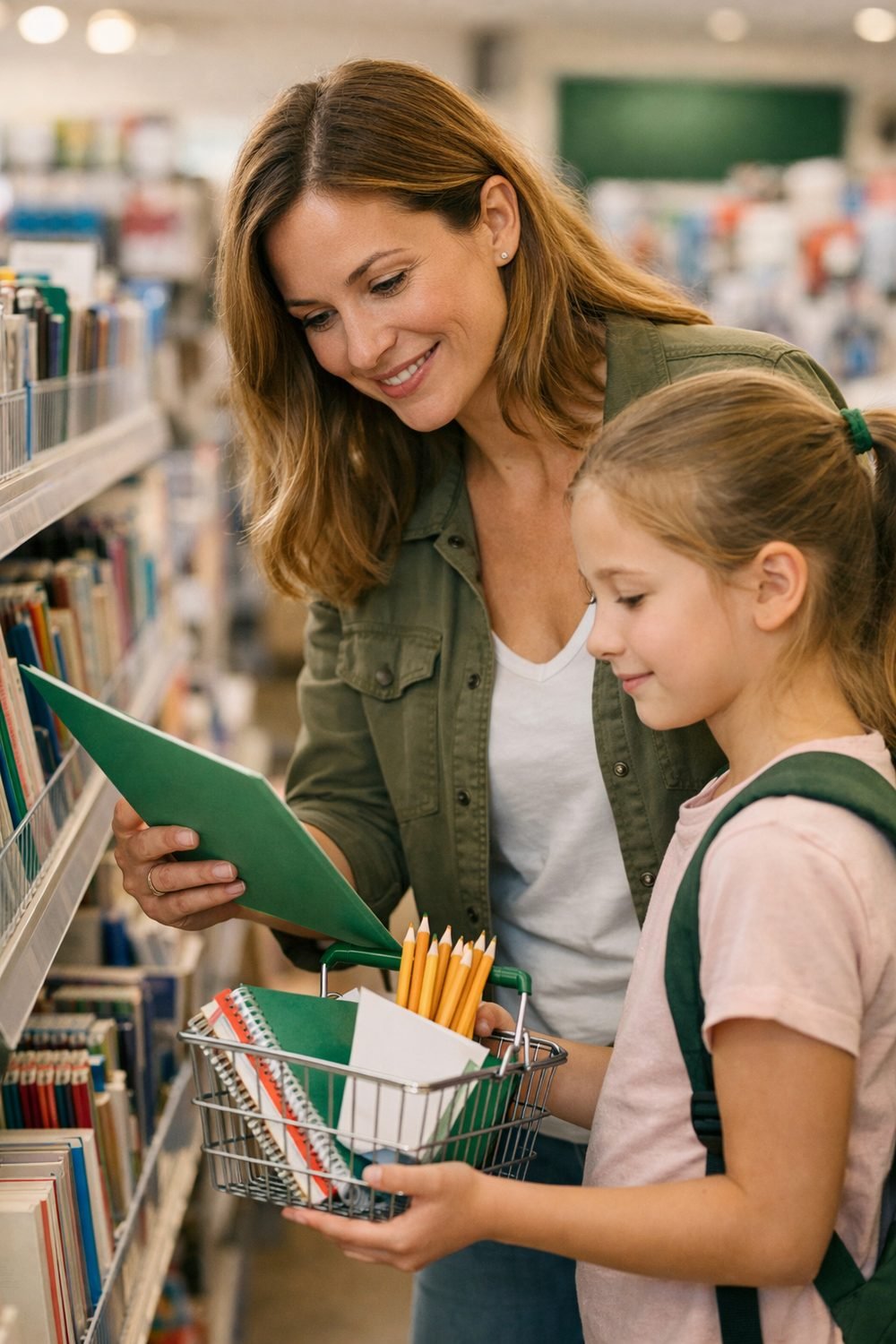
Back-to-school shopping adds up fast, but a simple plan keeps it manageable. This guide walks through listing what you need, agreeing on a total, and tracking what you spend, with a note on how good budgeting apps can help you keep it all in one place.
Back-to-school season can sneak up on you, and even the best budget tracker app can't help if you haven't made a plan. One week it's July and nobody's thinking about pencils. Then suddenly there's a supply list on the fridge, a kid who grew two inches, and a shoe store line that wraps around the corner.
Back-to-school shopping can go the messy way or the calm way. The calm way wasn't about spending less, exactly. The calm way is about knowing what you need, when you'll buy it, and how much you'll let yourself spend. Lists and dates make busy seasons calmer. That's really the whole secret, and the rest of this post is just how I put it into practice.
Short on time? Our top picks: YNAB, Mint alternatives like Monarch Money, Google Sheets and Ibotta. See all picks
Start by Listing What You Actually Need
Before you buy a single glue stick, go through what's already in the house. That means actually opening the drawers. It's common to find unopened packs of colored pencils in a box in the closet. Four. They were often bought on sale the year before and forgotten.
Here's how I do it now. Grab the school's supply list, if there is one, and a pen. Then I walk around with a bag and pull out anything usable:
- Backpacks and lunch boxes from last year (check zippers and seams)
- Half-used notebooks, which work fine for home practice
- Scissors, rulers and calculators, which rarely wear out
- Clothes and shoes, tried on by the kid, not guessed at
Cross off what you have. What's left is your real list. It's usually shorter than you expect, and that feels good.
One tip: split the list into "school requires this" and "would be nice." Kids will always want the fancy themed folder. That's fine sometimes. But it goes in the second column.
Pick a Total and Agree on It With a Free Budget Worksheet
This is the part people skip, and I get why. Picking a number feels limiting. But without one, every small purchase seems reasonable on its own, and then you add them up later and wince.
Sit down with whoever shares the costs with you and choose a total. Look at your own budget for this, and a free budget worksheet, such as one you set up in Google Sheets, makes it easy to write the number down. There's no single right number for every family, and nobody outside your household can set it for you. What matters is that you both agree before shopping starts, not in the checkout line.
If your kids are old enough, tell them the number too. Kids often get more thoughtful about sneakers once they know the cost comes out of the same pot as everything else. She didn't love it at first. She came around.
It also helps to break the total into rough chunks: supplies, clothes, shoes, and fees or extras. That way if shoes run high, I can see right away what has to give.
Plan Back to School Budget Purchases by Week
Spreading costs out was the biggest change for me. Buying everything in one weekend meant one painful bank statement. Buying over four or five weeks meant smaller hits I barely noticed.
A simple plan might look like this:
- Week one: Basic supplies like paper, pencils, and glue. These often show up in early sales.
- Week two: Backpacks and lunch gear, if you truly need new ones.
- Week three: Clothes. Focus on a few pieces they'll wear constantly.
- Week four: Shoes, closer to the start so feet don't outgrow them first.
- After school starts: Anything the teacher adds or you forgot.
That last one matters more than you'd think. Teachers often send home extra requests in the first week or two. Holding back a little money for that saves you from scrambling.
Put the dates on a calendar. Honestly, writing "buy shoes" on a real day made me far more likely to do it calmly instead of the night before.
Compare Prices, But Don't Overdo It
Checking more than one seller is worth it. Prices on the exact same item can differ a fair amount between stores, and between in-store and online at the same store.
That said, I'll be honest: driving to five stores to save a little on crayons is overrated. Your time and gas cost something too, which is why an app like GasBuddy can be handy. Pick two or three places you already shop and compare there. For bigger items, like a backpack or shoes, I look a bit harder.
A few things that have helped me:
- Check the dollar store first for basics. Folders, pencil pouches, and storage bins are often fine there.
- Look at store flyers or cash back apps like Ibotta for groceries before you go, so you know what's on sale.
- Read return policies, especially for clothes and shoes.
- Watch for tax-free weekends if your area has them. Check your local rules, since they vary.
If you like keeping coupons and deals in one place, the Coupon and Savings Tracker below this post is built for exactly that. It's a simple way to see what you saved and where.
By the way, if you'd like a ready-made list to take shopping, you can grab the Free Dollar-Store Organization Shopping List by joining the email list.
Keep Every Receipt in One Spot and Track Spending
Many people stuff receipts in a purse, the car, the kitchen counter, and then can't find them when it's time to budget. Then a pair of shoes fell apart in week two and I couldn't find proof of purchase anywhere. Lesson learned.
Now everything goes in one envelope taped inside a cabinet door. Not fancy. It works. You could also snap a photo of each receipt and save it to a single folder on your phone.
Keeping them together does two things. You can return or exchange stuff easily. And you can add up what you've spent at any point and compare it to your total, whether on paper or in a budgeting app that links to your bank account. Check your total at the end of each shopping week, using free online budgeting tools or a simple notebook. Takes two minutes.
Get the Supplies Organized at Home
This step isn't on most budgeting lists, but it saves money later. When supplies are scattered, kids lose things, and you end up rebuying them in October.
You can set up one bin for spare supplies and one small caddy for homework. When a pencil goes missing, we check the bin before anyone goes to the store. Cheap containers are perfectly fine for this. If you want ideas, Dollar-Store Organization Ideas and Shopping List below this post has plenty of simple setups.
Look Back and Make Notes for Next Year's Budgeting
A week or two after school starts, take a few minutes to review. What did you buy that never got used? What did you run out of fast? Did the total hold up?
Write your notes right on the back of that year's supply list and keep it with your receipts. Things like "bought too many notebooks" or "kid needed a second pair of sneakers for gym." Next summer, that one page saves me a lot of guessing.
Be kind to yourself here, too. If you went over, that's information, not failure. Adjust and move on.
Our Top Picks for Back-to-School Budgeting
A few simple tools can make planning, tracking and saving feel lighter. Here are some well-known options that fit the steps above.
YNAB
Suits people who like giving every dollar a job and want a hands-on approach. Check whether the way it asks you to budget matches your habits before committing.
Mint alternatives like Monarch Money
Monarch Money suits families who want accounts and spending in one dashboard. Check which banks it connects to and whether you're comfortable linking accounts.
Google Sheets
A good fit if you want a free, flexible place for a budget worksheet you can share with a partner. Check that you're happy setting up your own categories, since it starts blank.
Ibotta
Suits shoppers who already buy groceries and household items and like earning cash back. Check which stores and products are included before you plan around it.
GasBuddy
Helpful for comparing nearby fuel prices when you're running errands across several stores. Check whether its savings program is worth signing up for based on how much you drive.
Honey
Suits online shoppers who want coupon codes tested automatically at checkout. Read its privacy terms, since it works as a browser extension.
Evernote
Handy for keeping photos of receipts and your supply list in one searchable place. Check how much storage and syncing you get on the plan you choose.
Please check current plans and prices on each brand's own site before you decide.
FAQ
When should I start back-to-school shopping?
Starting about four to five weeks before school begins works well. That gives you time to spread costs and catch sales. Leave shoes for closer to the start date.
What if the school doesn't send a supply list?
Buy only the basics first, like pencils, paper, and a backpack. Then wait for the teacher's list in the first week. It's better than guessing and buying things you won't need.
How do I handle kids who want expensive brands?
Share the total with them and let them help decide. Some families have kids chip in the difference from their own savings. Do what fits your values and budget.
Is it worth buying in bulk?
Sometimes, for things you use all year, like pencils or glue sticks. But only if you have space to store them and will actually use them. Otherwise it's just money sitting in a closet.
Wrapping It Up
Back-to-school budgeting doesn't have to be stressful. Check what you have, set a total, buy over a few weeks, compare a little, keep receipts together, and jot down notes for next year. That's it. Small steps, spread out, add up to a much calmer August.
If you want a head start, sign up for the Free Dollar-Store Organization Shopping List and take it with you on your first trip. Then take a look at the Coupon and Savings Tracker and Dollar-Store Organization Ideas and Shopping List below this post if they'd make your season a little easier.
Printables and good budgeting apps that can help
Coupon and Savings Tracker
A printable coupon log and weekly shopping log to write down what you planned and what you...
See detailsDollar-Store Organization Ideas and Shopping List
Room-by-room organization ideas and a shopping list to plan low-cost storage before you...
See details