Dollar-Store Organization Ideas for Every Room
Published 2026-10-16
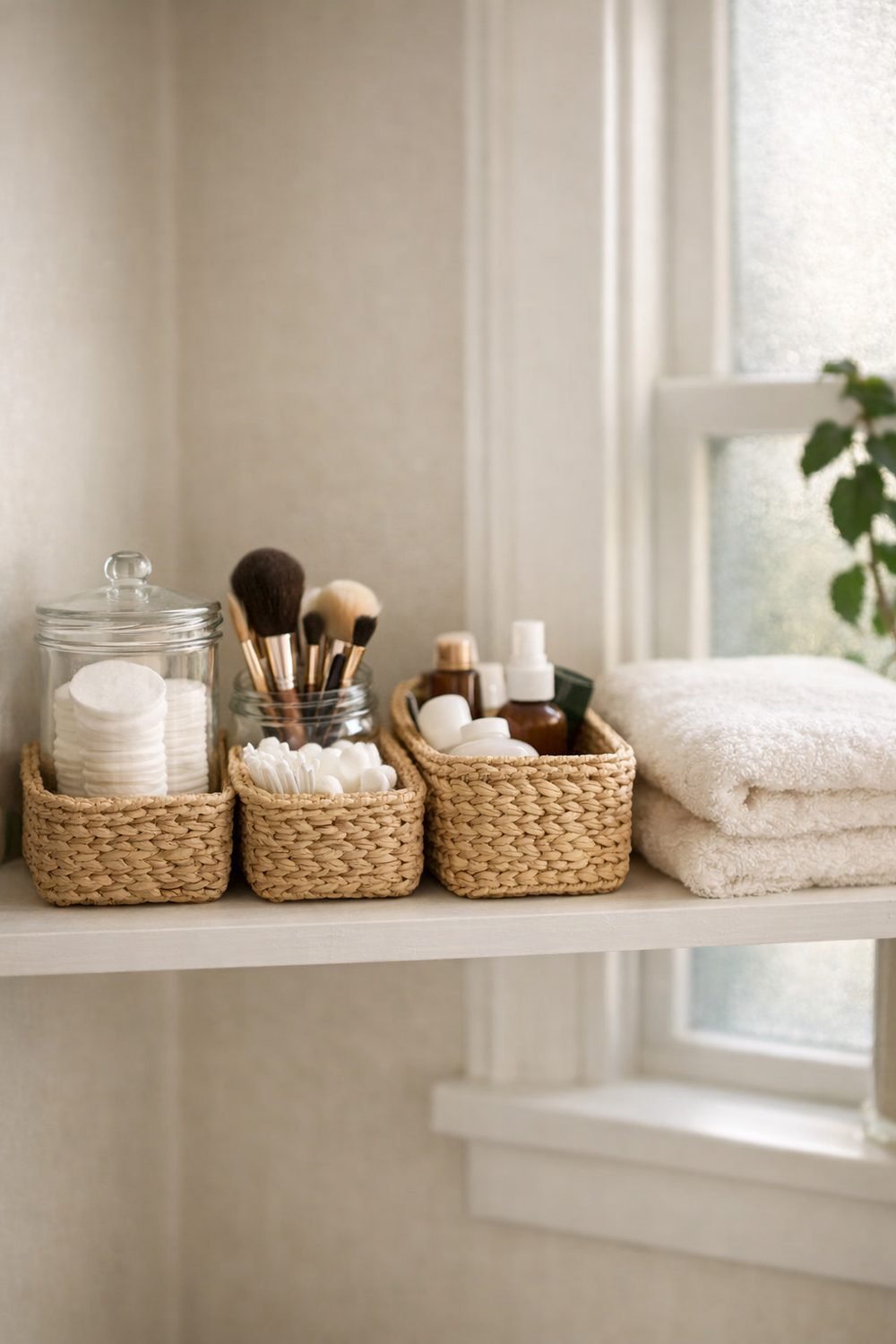
It's easy to think dollar-store organization ideas are a second-best option, and that getting organized means buying those matching container sets you see in home magazines. Then I priced one out at The Container Store for my pantry and closed the browser tab pretty fast.
Here's what I've learned since: basic bins, baskets, dividers and hooks from a discount store can do most of the work. They won't all match, and that's fine. The real trick is deciding what you need before you walk in the door, because the dollar store is a very easy place to fill a cart with stuff you don't need.
Below are dollar-store organization ideas for every room that can work well in a typical home.
Short on time? Our top picks: Dollar Tree, Dollar General, Walmart and The Container Store. See all picks
1. Sort first, then shop the dollar store
This one isn't a product, but it matters more than any bin. Pick one drawer or one shelf. Take everything out. Group like with like, and be honest about what you haven't touched in a year.
Once the pile is smaller, measure the space. Width, depth and height. Write the numbers on a sticky note and keep it in your phone case. Then I buy only what fits those numbers.
Skipping this step can leave you with a stack of cute baskets that don't fit your shelves. They sat in a corner for months. Empty containers bought "just in case" turn into clutter of their own.
Tip: Start with the smallest messy spot you have. A junk drawer is perfect. A quick win makes the bigger rooms feel less scary.
2. Dollar-store drawer dividers for the kitchen utensil drawer
You know the drawer. Spatulas, a pizza cutter, three can openers and a mystery key, all sliding into one heap every time you open it.
Cheap plastic drawer trays, whether from Dollar Tree or elsewhere, can fix this better than many pricier organization ideas. Mix a few sizes so long tools get a long slot and small things like measuring spoons get their own little box. They don't have to fill the drawer perfectly. Even two or three trays make a big difference.
Tip: Put a small piece of shelf liner or a rubber mat under the trays. It stops them from scooting around when you yank the drawer open.
3. Baskets to organize pantry and shelf items
Snack packets, seasoning envelopes and sauce mixes are the worst for spreading out. A basket gives them edges. Suddenly that pile is one thing instead of forty.
Baskets with open sides or holes are handy because you can see what's inside. Solid ones look neater, but I forget what's in them. If you go solid, label the front with masking tape and a marker. Fancy labels, like the kind a Brother P-touch makes, are overrated in my opinion. Tape works and you can change it.
Tip: Keep one basket for "eat this first" items that are close to their date. It's cut down on food I've tossed.
4. Over-the-door hooks in the kitchen and pantry
The back of a pantry or cabinet door is space most of us ignore. An over-the-door hook rack can hold cleaning cloths, aprons, reusable shopping bags or an oven mitt.
Check how thick your door is before you buy. Some of the cheaper hooks are made for thin doors and will keep the door from closing on thicker ones. This is an easy mistake to make, and an annoying one.
Tip: Hang the reusable bags near the door you leave from. You're far more likely to remember them on your way out.
5. Small bins for bathroom organization under the sink
Under the sink is usually a dark cave of half-empty bottles. Small bins, one per category, turn it into something you can actually use. Hair stuff, skin stuff and cleaning supplies make good starting categories, but sort it however makes sense for your family.
Bins with handles are worth looking for here. You can pull the whole thing out, grab what you need and slide it back. No more kneeling on the floor and reaching past the pipes.
If you keep cleaning products down there, think about who else uses that bathroom. Little kids and pets get into places you wouldn't expect, so read the labels on your products and store them the way the packaging says.
Tip: Leave a little space around the pipes. Plumbers will thank you, and leaks are easier to spot.
6. A counter tray for everyday items
This is the cheapest fix with the biggest effect, I think. One tray on the bathroom counter for your toothbrush holder, soap and the one or two things you use every day.
Why does it work? Because a tray draws a line. Anything inside the tray belongs on the counter. Anything outside it gets put away. It makes wiping down the counter quicker too, since you just lift the tray.
Tip: Pick a tray with a little lip so things don't roll off. Flat cutting-board style trays look nice but don't hold much in place.
By the way, if you'd like a simple list to bring with you to the store, our Free Dollar-Store Organization Shopping List is yours when you join the email list.
7. Laundry baskets that aren't for laundry
In my laundry area, I keep one basket for supplies like detergent, stain spray and dryer sheets. A second basket catches the odds and ends that come out of pockets. Coins, hair ties, receipts, the occasional crayon.
That second basket has saved me a lot of grief. Before it, pocket stuff landed on top of the dryer and stayed there forever. Now it has a spot, and once a week I empty it and return things to their owners.
Tip: Measure the gap between your washer, dryer and wall. Slim rolling carts or narrow baskets can sometimes fit in there, but check the sizes first.

8. Shelf dividers for closet organization
If you stack sweaters or jeans on a closet shelf, you've probably watched the stack lean and tip over. Shelf dividers that clip onto the shelf hold each stack upright.
These work best on wood or solid shelves. Wire shelves can be hit or miss, so look at the packaging to see what kind of shelf they're made for. Skip them on very thick shelves, since the clips may not fit.
Tip: Fold items to the same width before stacking. It sounds fussy, but neat stacks stay put much longer.
9. Hooks on the back of the bedroom door
Robes, bags, tomorrow's outfit, a belt or two. A simple hook rack on the back of the door takes all of that off the chair in the corner. You know, the chair that nobody sits in because it's covered in clothes.
Keeping it to a few hooks on purpose works well. When I had a rack with ten hooks, I just filled all ten and it looked messy again. Fewer hooks keep you honest.
Tip: Leave one hook empty for the next day's clothes. Getting ready in the morning feels calmer when your outfit is already waiting.
10. Slim bins for bedroom storage under the bed
Under the bed is great for things you don't need every week. Off-season clothes, spare sheets, holiday stuff. Slim bins with lids keep the dust off.
Measure the clearance first. Beds vary a lot, and a bin that's an inch too tall is just a bin. If your bed sits low, look for the flattest bins you can find, or try bed risers if that's an option for you.
Tip: Tape a list of what's inside to the lid. You won't have to drag out every bin to find your winter scarf.
11. Kid-height hooks and baskets in the entryway
If you want kids to hang up their coats, put the hooks where they can reach them. It sounds obvious, but most entryway hooks are set at adult height. A row of low hooks can change the after-school routine more than any amount of reminding.
Add a basket on the floor for shoes. It doesn't need to be pretty. It just needs to be big enough that kicking shoes into it is easier than leaving them in the middle of the floor.
Tip: Give each child their own hook. Kids are much more likely to use something that's clearly theirs.
12. One bin per toy category for kids' room organization
Big toy boxes become bottomless pits. Smaller bins sorted by type work much better. Blocks in one, cars in another, art supplies in a third.
For kids who can't read yet, tape a picture of what goes inside on the front. A quick drawing works. Now tidy-up time is a matching game instead of a fight.
Tip: Rotate some bins into a closet every few weeks. Fewer toys out means less to clean up, and the "old" toys feel new when they come back.
13. Keep a real dollar-store shopping list
Before every trip, I write down four things for each spot I'm working on: the room, the item type, how many I need and the size of the space. It keeps me from grabbing random bins because they're on an end cap.
Prices vary between stores and change over time, so compare them yourself rather than trusting what you paid last year. And check sizes on the actual package. Photos can make things look bigger than they are.
Tip: Bring a small tape measure. It fits in a pocket and settles the "will this fit?" question right there in the aisle.
Dollar-store staples and a few upgrades worth knowing
Most of this list can come from a discount aisle, but a few well-known brands are handy when you want something a little different or need a specific size. Here are some real options to compare.
Dollar Tree
A good starting point for small bins, baskets, drawer trays and hooks when you're organizing on a tight budget. Stock changes by store and over time, so check sizes on the package before you buy.
Dollar General
Suits shoppers who want organizing basics alongside groceries and household items in one trip. Selection varies by location, so don't count on finding one exact bin in every store.
Walmart
Useful when you need a bigger range of sizes, like slim under-bed bins or over-the-door racks. Look at the product dimensions and any listed weight limits before you commit.
The Container Store
A fit for people who want modular, made-to-measure systems for closets, pantries and drawers. It's a step up from the dollar aisle, so it makes sense to use it for the one or two spots that need a custom fit.
IKEA
Handy for drawer organizers, closet shelf dividers and storage boxes that come in set sizes. Measure your space first and check that a product is made for the type of shelf or drawer you have.
Command hooks
A good choice for renters or anyone who doesn't want to drill into a wall or door. Check the weight rating on the package and the surface type it's designed for.
Brother P-touch label makers
Suits people who want neat, lasting labels on bins and baskets instead of masking tape. Check which label tape sizes the model uses, since you'll be buying refills.
Check current plans and prices on each brand's own site before you buy.
FAQ
Are dollar-store bins sturdy enough to last?
Some are, some aren't. They tend to hold up fine for light things like snacks, toiletries and toys. For heavy items, look closely at the material and the weight limit if one's listed, and don't overload them.
Should I buy everything at once?
It's best not to. Work on one space at a time, see what you actually use, then go back for the next room. You'll waste less money and end up with containers that really fit.
What if my containers don't match?
Honestly, nobody cares as much as you think. If it bugs you, try sticking to one or two colors, like white and clear. Mixed bins that do their job beat matching ones still sitting in the bag.
How do I keep things organized after the first clean-up?
Give every item a home and do a quick reset once a week. Ten minutes is usually enough. If a spot keeps getting messy, the system probably doesn't fit how you live, so tweak it instead of blaming yourself.
Your next step
Pick one drawer today, just one, and sort it before you buy anything. When you're ready to shop, grab the Free Dollar-Store Organization Shopping List by joining our email list in the box on this page. It'll help you write down sizes and counts so you leave the store with exactly what you need and nothing extra.
Some links on this site may earn us a commission. Read our disclosure.